Body Knowledge
People are often identified by their looks. This can lead to unfair treatment. Although one cannot know who a person truly is by their looks, you can explain how bodies can be interpreted and how they are treated better or worse. If you haven’t experienced discrimination yourself, it can feel uncomfortable or hard to know how to start talking about it with their children. Yet, starting the conversation — even in small ways — helps to challenge unfair ideas from history. To do so, it isn’t necessary to know all the possible bodies in the world. Just talking about some examples can make learning easier and more engaging.
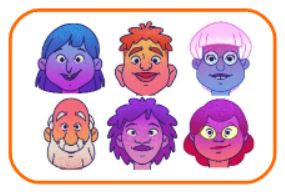
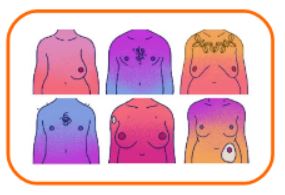
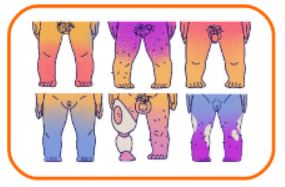
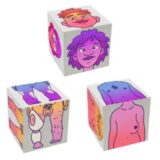
Here we explain the bodies on the dice in a child-friendly way. Although these explanations base on current research and health recommendations, every child, school and family is unique. We invite you to reflect on them and to adapt the ideas to your own context.
The Body Dice are designed to support conversations about discrimination by raising awareness, building empathy and encouraging collaboration in society. However, the dice only show certain bodies and experiences. For example, sexualities or mental states are not depicted, because they are not easy to see. We encourage you to explore them by adding your own questions during play.